Crafting the Perfect Wine Experience: A Fusion of Architecture and Oenology
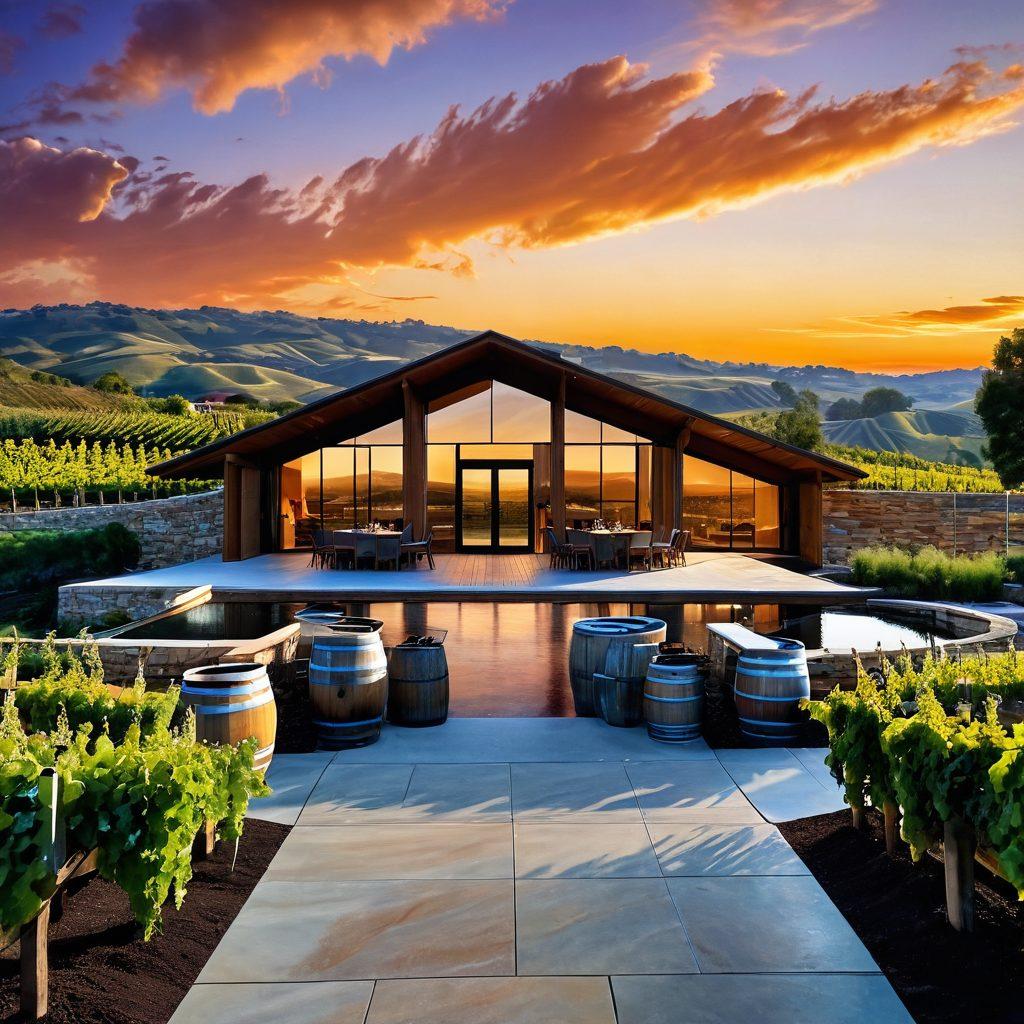
In the intricate world of oenology, where the rich notes of vino delight our senses, there lies an untapped synergy waiting to be explored: the harmonious interplay between architectural design and the art of winemaking. Imagine entering a winery that not only houses exquisite wines but also serves as a celebration of creative architectural prowess. The sensory experience begins long before the first sip. Have you ever pondered how the structure of a vineyard – its landscape architecture and interior architecture – can enhance the overall wine experience? Let’s uncork that bottle of curiosity together as we unveil the intriguing relationship between design and oenology.
The beauty of winery architecture is not just in its aesthetic appeal; it’s in how the structural design complements the soil and vines that produce our beloved vino. Picture a winery strategically integrated into its surroundings, embracing sustainable architecture practices that not only respect the land but also provide visitors with a flowing journey through wine tourism. An architect’s mind loves a challenge, and what could be more enticing than designing a space that mirrors the very essence of the grapes it harbors? As a sommelier will tell you, every wine tells a story, and so does every architectural masterpiece. How might the design of a wine cellar or a wine tasting room influence the experience we have with the liquid arts?
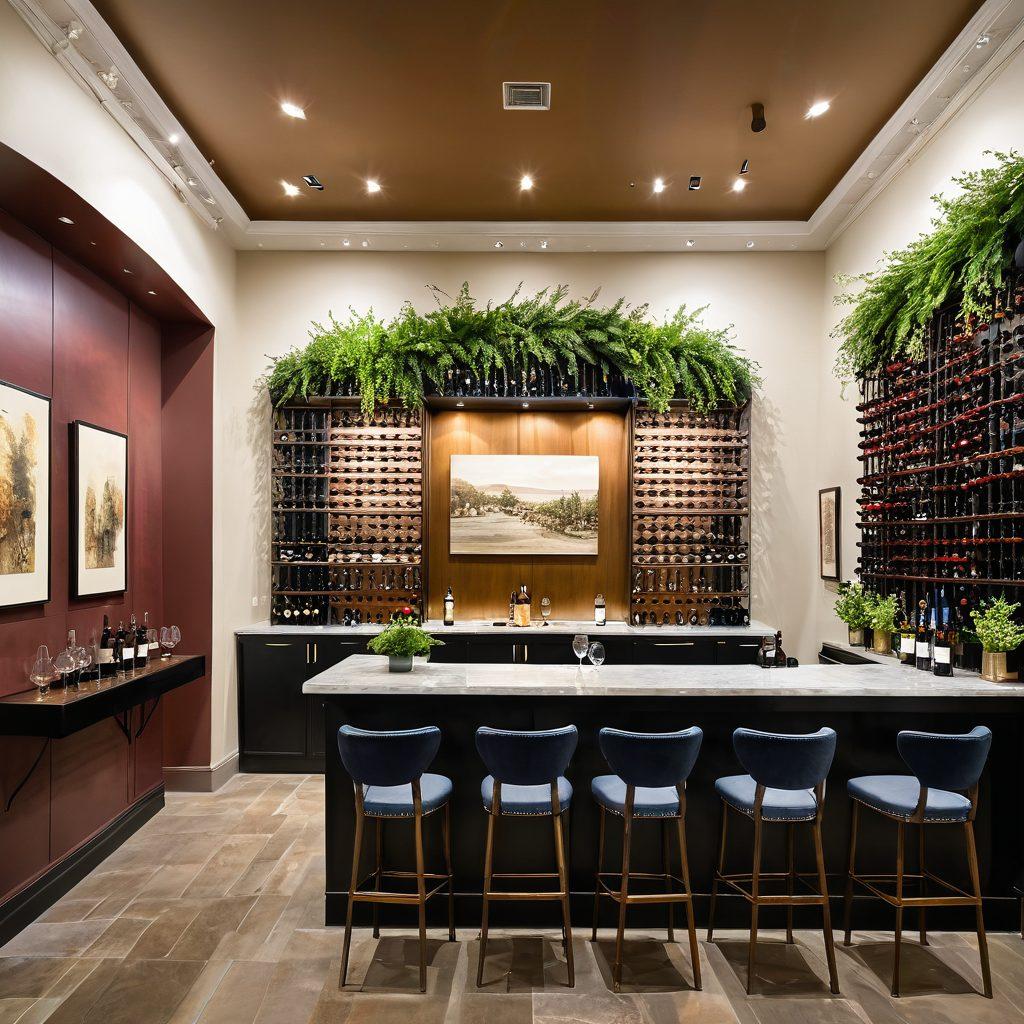
An architectural design that prioritizes functionality while harmonizing with the landscape invites admiration and excitement. Consider a wine bar design with decorative wine displays that beckon enthusiasts closer, encouraging them to immerse themselves in the culture of oenology. Or a wine tasting room design that perfectly balances ambiance with purpose, allowing guests to savor not just the flavor of the wine, but also the ambiance of the surroundings. Are we not all drawn to spaces that elevate our experiences? This fascinating blend of enology and architecture speaks not only to the connoisseurs but also to those new to the world of wine, making it both approachable and exhilarating.
When we explore wine storage solutions, we realize that even the most practical aspects of a winery can be architecturally thrilling. An innovative wine cellar design can enhance the taste of the wine while offering an enchanting sight. Imagine walking into a cellar where the walls are adorned with the artistry of the vineyard while maintaining optimal conditions for the delicate bottles. How does that visual narrative enhance the experience of sipping a glass of Merlot? The answer, I believe, lies in the emotional connection established through thoughtful design choices that honor both the art of agriculture architecture and the science of wine production.
Ultimately, as we sip from our glasses and admire the architectural gems that house them, we should consider how this relationship elevates our wine experiences. As architects and winemakers continue to collaborate, we will witness the birth of more captivating spaces where flavor and form meet. Whether you’re an aspiring oenophile or a seasoned sommelier, one thing remains clear: the artful harmony of architectural design and the craft of winemaking is a journey worth embarking on. So, how will your next visit to a winery inspire your understanding of oenology?
Creating Sensory Journeys: Transforming Wine Tasting Rooms into Architectural Masterpieces
Imagine stepping into a wine tasting room that feels like an art gallery, where every corner is curated to inspire awe and delight the senses. The design schemes weave together oenology and architecture, creating a space where every glass of vino tells a story. It’s here that the boundaries blur between the wine and the environment, giving birth to an unforgettable wine experience. In this blog, we’ll explore how architectural design transforms wine tasting rooms into sensory journeys, elevating the humble winery into a masterpiece that beckons both connoisseurs and casual drinkers alike. Are you ready to immerse yourself in the world of architectural wonder and exquisite wine?
Creating captivating wine tasting room designs is not as simple as just a splash of color and a chic bar. Architectural design plays a crucial role in wine tourism — think of the first impression a well-thought-out space can have. The interplay of light, structure, and aesthetics can enhance the aromas and flavors that a sommelier expertly introduces. Imagine sipping on a bold red while surrounded by expansive windows that overlook carefully curated landscapes. Could the beauty of the surroundings really complement the wine? It's this synergy of structural design and enology that can transform an ordinary wine cellar design into an extraordinary tasting experience.
What if I told you that the very architecture of a wine tasting room could elevate the act of sipping wine into a multi-sensory journey? Landscape architecture and urban design come together to create an inviting atmosphere, making guests feel more connected to the agriculture architecture that birthed the wine in the first place. Decorative wine displays can create focal points, not just for the bottles but for the stories behind them — the winemakers, the grapes, and the land they came from. When interiors are designed with hospitality design principles, every moment in the tasting room becomes a memory. How can we use design to evoke emotion when experiencing different varieties of vino?
In recent years, wineries have increasingly turned to sustainable architecture as a guiding principle for their design. A wine tasting room that incorporates eco-Friendly materials and practices not only resonates with conscious consumers but also complements the organic essence of wine. Imagine a place where natural light floods in, enhancing the vibrant hues of your favorite vintage, and where zero-waste initiatives create a harmonious balance between enjoyment and sustainability. This holistic approach to wine bar design can redefine the way we interact with our environment while savoring our favorite pours. It invites each guest to reflect on the journey of the wine from vineyard to glass — a true celebration of craftsmanship.
Ultimately, the transformation of wine tasting rooms into architectural masterpieces is about more than just aesthetics; it’s about creating memorable experiences that guests will cherish. The perfect wine experience encompasses the nuances of flavor alongside the artistry of the surroundings. A thoughtfully designed space grounds us in the moment, allowing us to fully appreciate the complexities of each sip. So the next time you uncork a bottle of fine wine, consider the journey it took to get there. From the vineyard to the cellar, and finally, to your palate, each element plays a part. After all, isn’t wine just as much about the places it inhabits as the people who enjoy it?
Sustainable Vino Culture: The Role of Landscape Architecture in Modern Winery Design
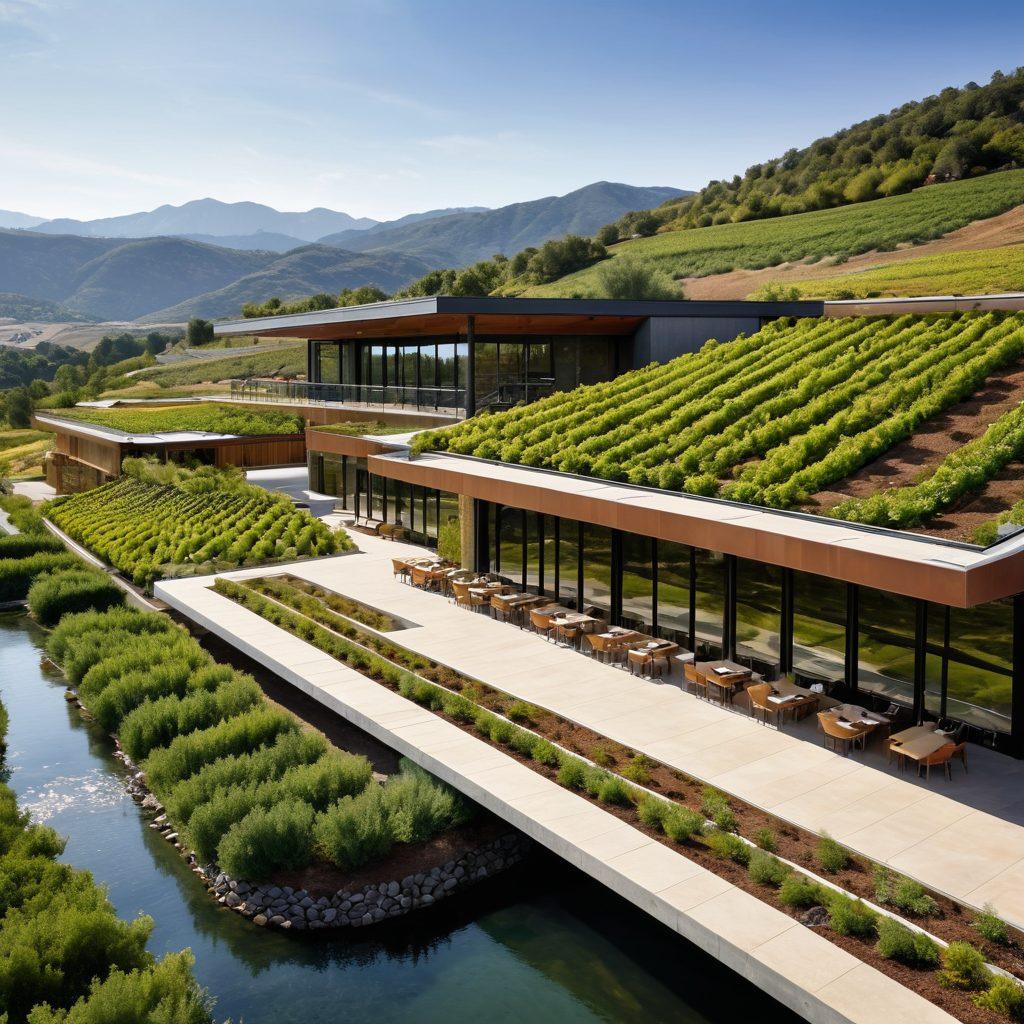
In the world of wine, the experience often begins long before that first sip. Imagine a sprawling vineyard, embraced by the undulating hills, where every vine has been carefully tended not just for its fruit, but for the ambiance and aesthetics that it brings to life. Sustainable vino culture, interwoven with innovative architectural design, transforms the way we perceive wineries. It's about creating a sanctuary for both the wine and the wine lover—a symbiotic relationship that speaks to our growing desire for sustainability in every sip. So, what if the very architecture of a winery could enhance the pleasure of wine tasting?
Landscape architecture plays a pivotal role in modern winery design by harmonizing the structures with their natural surroundings. Consider this: a winery's relationship with its landscape isn't just about aesthetics; it's about functionality too. With the right design, a wine tasting room can overlook pristine vineyards, engaging guests with a breathtaking view that complements every glass of wine they enjoy. Think about how the curvature of a building can create a natural flow, guiding the visitor's experience—this is where enology and architectural design converge seamlessly.
Imagine walking into a winery where every design choice—from the exquisite wine cellar design to the decorative wine displays—is a testament to sustainable architecture. The careful placement of wine storage solutions, such as temperature-controlled wine cellars and wine bar designs that reflect the local culture, can enhance the wine experience significantly. Have you ever stopped to think how the interior architecture affects your mood while sampling a robust Cabernet Sauvignon? Or how the structure's interaction with light can potentially elevate your palate? That’s the magic of blending sustainability with creative design.
Wine tourism has evolved into an exploration of both the terroir and the architectural marvels that house these elixirs. As guests wander through wineries, they are not just drinking wine; they are participating in a story told through architecture, agriculture architecture, and urban design. What stories lie within those walls? How do they influence the sommelier's presentation? Every detail, from the choice of materials to the layout of the wine tasting room, contributes to an unforgettable experience. By embracing sustainable practices, wineries are crafting narratives that resonate deeply with the wine enthusiasts of today—those who care about the environment just as much as they do about oenology.
If you're a wine lover, how can you advocate for sustainable vino culture in your own community? Consider organizing small wine-tasting events that highlight local wineries committed to sustainable architecture. Discuss the importance of landscape architecture and its role in preserving the heritage of the winemaking community. Let's weave our appreciation for wine into a broader conversation about taking care of the landscapes that nurture the grapes. After all, the essence of great wine isn’t just found in the bottle; it’s also in the stories of the places and people behind it. Engage, educate, and immerse yourself in this evolving narrative.